
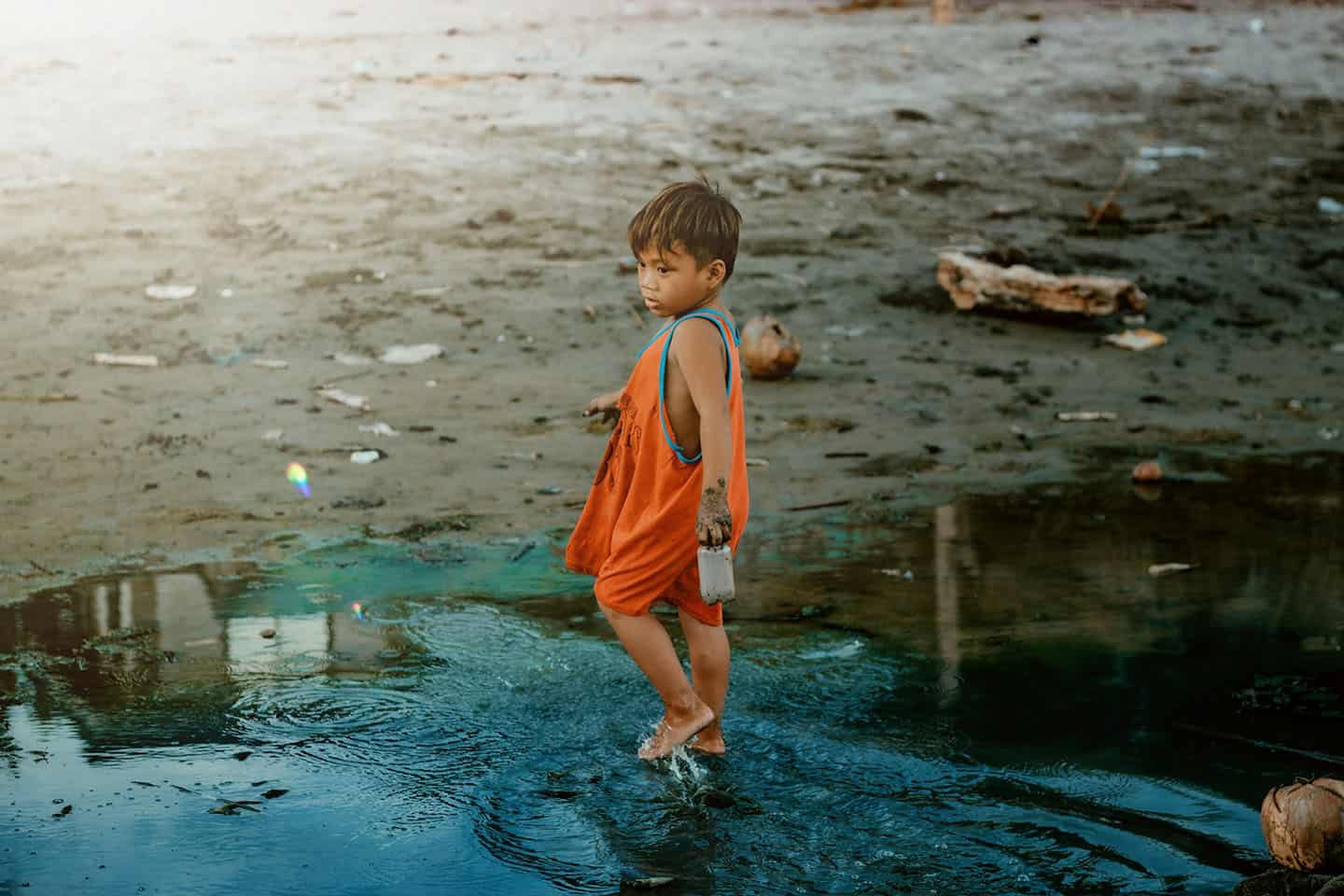
Documentary photography serves as a powerful lens through which we can explore the intricacies of life, society, and nature. This captivating style of photography emphasizes real-life events and environments, capturing moments that tell compelling stories about human experiences. With a focus on ethical documentary photography, artists aim to shed light on authentic narratives while respecting their subjects. Notable works by the best documentary photographers have inspired many aspiring creators to delve into this art form, learning essential documentary photography techniques to enhance their storytelling. Understanding how to take documentaries not only requires skillful techniques but also a genuine passion for portraying reality in all its complexities.
Visual narratives known as documentary photography provide an intimate look at the world around us, showcasing the beauty and struggles we often overlook. This mode of pictorial storytelling relies on truthful depictions of daily life, highlighting the connection between individuals and their environments. As practitioners explore alternative visual mediums, they inevitably confront ethical considerations that shape their approach to capturing moments. Influenced by renowned artists in the field, many budding talents are eager to master vital techniques that enable them to create evocative and genuine imagery. Embracing this expansive genre invites photographers to investigate the rich tapestry of human existence, opening dialogues that resonate with viewers globally.
Understanding Documentary Photography Style
Documentary photography style focuses on capturing real-life events and portraying subjects in their authentic environments. This genre emphasizes the honest narrative that unfolds through a photo, allowing viewers to glean insights about the lives of individuals and the broader societal context. By employing techniques such as candid shooting and minimal staging, documentary photographers reveal the beauty and complexity of everyday moments. Recognizing the significance of context, these photographers often explore relationships between people and their surroundings, creating timeless stories through still images.
Many renowned photographers, including W. Eugene Smith and Fan Ho, have mastered the documentary style by using their unique perspectives to evoke emotion and provoke thought. Their works not only serve as historical records but also as a means of social commentary. This intentionality in framing and composition reveals the interconnectedness of the human experience, making documentary photography a powerful tool for storytelling. As you venture into this genre, consider how elements like emotion, light, and composition can amplify your narrative, ensuring each image resonates deeply with your audience.
Techniques for Effective Documentary Photography
Photographic techniques play a critical role in honing your documentary photography skills. One fundamental approach is to cultivate an understanding of the environment and the subjects you’ll be capturing. Use natural lighting to your advantage, and learn to anticipate the moments that unfold around you. Pay attention to composition; leading lines and framing can guide the viewer’s eye and enhance the story being told. Additionally, familiarize yourself with the technical capabilities of your camera—understanding settings like exposure, aperture, and ISO will impact the quality of your images.
Another essential technique in documentary photography is patience. Often, the most compelling images result from waiting for the perfect moment to click the shutter. This is especially true when photographing interactions among people or between humans and their environments. While spontaneity is a hallmark of this genre, being prepared and attentive allows you to capture genuine expressions and moments that might otherwise be lost. Remember that the editing process also plays a vital role; while minimal adjustments are often preferred to maintain authenticity, utilizing software like Lightroom for fine-tuning can enhance the narrative without compromising the image’s integrity.
The Ethical Considerations of Documentary Photography
Ethical considerations in documentary photography are paramount, as these photographers often navigate sensitive subjects that require respect and integrity. It’s crucial to approach your subjects with empathy, ensuring that their stories are portrayed honestly and without exploitation. Gaining informed consent, particularly when photographing vulnerable individuals or communities, promotes a sense of trust and maintains the integrity of your work. Ethical documentary photography goes beyond just obtaining permission; it involves an ongoing responsibility to represent subjects’ stories with accuracy and dignity.
Moreover, photographers must remain aware of the potential impact their work can have on viewers and the subjects themselves. Asking difficult questions and confronting uncomfortable truths can be beneficial, but it’s essential to do so responsibly. Engage with the communities you represent and seek feedback on your work; maintaining open dialogue helps foster mutual understanding and respect. In this way, ethical documentary photography not only tells a story but also contributes to a more nuanced dialogue about social issues and human experiences.
The Best Documentary Photographers to Inspire You
Discovering the works of acclaimed documentary photographers can significantly deepen your understanding of the genre and inspire your creative journey. Legends like Horace Bristol and Sebastião Salgado have used their lenses to highlight social and environmental issues, pushing audiences to engage with difficult narratives. Bristol’s portrayal of life during the Great Depression and Salgado’s focus on migration and displacement showcase the power of documentary photography in sparking conversation and empathy. By immersing yourself in their portfolios, you can absorb different styles and techniques that resonate with your own vision.
Additionally, contemporary voices in documentary photography, such as Rineke Dijkstra and Richard Avedon, continue to redefine the boundaries of the genre. Their unique approaches to subjects and compositions encourage budding photographers to explore their creativity and push against conventional norms. Take the time to analyze the intent and execution behind their pieces, and let their visions inspire your journey in crafting compelling stories through your own lens.
How to Take Compelling Documentaries
Creating a compelling documentary requires both technical prowess and a deep understanding of storytelling. Start by identifying the narrative you wish to convey; this could revolve around a particular subject, a social issue, or an intimate moment in people’s lives. Once you have a clear vision, immerse yourself in research to understand the realm of your subject better. Developing strong rapport with your subjects helps drive authenticity in your storytelling process, allowing their narratives to unfold naturally in front of your lens.
Planning your shoot is equally important—consider the location, time of day, and elements that contribute to the narrative’s atmosphere. Familiarize yourself with documentary photography techniques, such as candid shooting and working with natural light, to capture moments with authenticity. With practice and persistence, you’ll find your unique style, allowing you to weave narratives that elicit emotional responses from your audience, elevating their viewing experience beyond mere observation.
The Role of Editing in Documentary Photography
Editing is an integral part of the documentary photography process that can shape the final narrative of your images. After capturing moments, it’s essential to review your work critically and select images that align with the story you intend to tell. Strive for honesty in your edits; while minor adjustments in software like Lightroom can enhance exposure and contrast, it’s crucial that these changes do not distort the original intent of the photograph. The goal of editing in documentary photography is to enhance the subjects’ stories while maintaining their authenticity.
Additionally, consider the overall presentation of your work. Curating a sequence of images can create a more cohesive narrative, guiding viewers through the story you’ve captured. Whether you display your work online or in a gallery, think about the relationships between images and how they interact; the editing process doesn’t just end with a single photograph—it extends to the entire body of work. Through thoughtful editing and curation, you can elevate your documentary photography into a powerful storytelling experience.
Finding Your Unique Voice in Documentary Photography
Every photographer possesses a distinct perspective shaped by their experiences, and it’s crucial to harness this individuality in your documentary work. Reflect on what draws you to specific subjects and themes, and allow these interests to guide your photographic journey. Whether you gravitate towards social issues, culture, or the beauty of everyday life, your unique voice will infuse authenticity into your storytelling.
Experimentation is key to discovering your style. Engage with various documentary photography techniques to broaden your skill set, and don’t hesitate to break the rules occasionally. Embrace your influences while striving to develop your own artistic identity. As you move forward, remember that the journey of finding your voice is an ongoing process, one that requires both patience and openness to self-discovery through the lens.
Connecting with the Documentary Photography Community
Engaging with the photography community is a fantastic way to grow as a documentary photographer. Platforms like Instagram and Flickr are vibrant spaces where you can showcase your work, connect with other photographers, and receive valuable feedback. Participate in discussions, join photography groups, and attend workshops, as these experiences not only help refine your technical skills but also nurture your artistic growth. Networking with like-minded individuals can lead to collaborative opportunities, inspiration, and support essential for your development.
Furthermore, actively seeking mentorship can accelerate your journey in documentary photography. Learning from seasoned professionals can provide insights and perspectives that may ignite new ideas and inform your practices. Whether it’s through formal mentorship programs or simply reaching out to photographers you admire, these interactions can broaden your horizons and deepen your understanding of the medium. Don’t hesitate to share your experiences and foster connections; this supportive community is instrumental in sharing knowledge and passion for documentary photography.
The Impact of Documentary Photography on Society
Documentary photography holds a unique position in society, providing glimpses into cultural landscapes, societal challenges, and human experiences. This genre can influence public perception and provoke conversations about important issues, ranging from social justice to environmental conservation. By capturing compelling images and narratives, documentary photographers can spark change, bringing attention to underrepresented communities and shedding light on social inequalities. Its power lies in the ability to foster empathy and inspire action among viewers.
Moreover, as audiences consume more media through digital platforms, the role of documentary photography continues to evolve. Photographers can now use social media to amplify their narratives, reach wider audiences, and create movements around pressing issues. By blending their visual storytelling with personal viewpoints, they contribute to a richer dialogue about the world we inhabit. The impact of documentary photography transcends art; it informs and shapes societal consciousness, making it an instrumental force for understanding and change.
Frequently Asked Questions
What is documentary photography and how does it differ from other photography styles?
Documentary photography is a style focused on capturing real-life events, circumstances, and social issues, emphasizing storytelling and authenticity. Unlike other photography styles that may prioritize aesthetics or staged scenes, documentary photography depicts candid moments, allowing viewers to engage with the subjects and their reality.
What are some ethical considerations in documentary photography?
Ethical documentary photography involves respecting the subjects’ dignity, ensuring informed consent, and accurately representing their stories. Photographers should be aware of the potential impact of their work on individuals and communities, striving to avoid exploitation while telling compelling narratives through their images.
Who are some of the best documentary photographers to follow for inspiration?
Some of the best documentary photographers include W. Eugene Smith, Henri Cartier-Bresson, and Sebastião Salgado. Their work showcases powerful imagery that conveys deep narratives and various human experiences, making them a great source of inspiration for aspiring documentary photographers.
What techniques can you use to improve your documentary photography skills?
To improve your documentary photography skills, practice techniques such as observing natural interactions, using light effectively, and shooting with a fixed focal length lens to encourage intentional composition. Additionally, studying the work of established photographers and engaging in self-critique can enhance your eye for storytelling.
How do I start taking documentary photographs as a beginner?
To start taking documentary photographs, you should begin by exploring your surroundings to identify interesting subjects or stories. Use a camera that you’re comfortable with, and focus on capturing candid moments without disturbing the environment. Remember to seek consent when necessary and practice storytelling through your images.
What characterizes the documentary photography style?
The documentary photography style is characterized by its emphasis on real-life subjects, candid moments, and storytelling. It often includes minimal editing to maintain authenticity and focuses on themes such as social issues, cultural events, and everyday life, inviting viewers to connect emotionally with the subjects.
What equipment do I need for effective documentary photography?
For effective documentary photography, a reliable camera with a good dynamic range, such as a DSLR or mirrorless system, is ideal. A versatile prime lens around 35mm to 50mm is recommended for capturing candid moments, along with sturdy accessories like a comfortable strap and extra batteries.
How can documentary photography impact society?
Documentary photography can significantly impact society by raising awareness about social issues, inspiring change, and fostering empathy through visual storytelling. By documenting real experiences, photographers can give voice to marginalized communities and provide insight into diverse cultures and perspectives.
What should I keep in mind when editing my documentary photographs?
When editing documentary photographs, refrain from overly manipulating the image to ensure authenticity. Focus on adjusting contrast, brightness, and cropping to enhance the story without altering the original context. Maintaining the integrity of the subjects and the narrative is key in ethical documentary photography.
How can sharing my documentary photography online benefit my work?
Sharing your documentary photography online can enhance your visibility, connect you with a community of likeminded photographers, and attract potential collaborations or clients. It also allows for feedback and engagement with audiences, contributing to your growth and development as a photographer.
| Key Aspects | Details | |
|---|---|---|
| Photographer Introduction | Tommaso Torda, a theoretical physicist in AI, passionate about culture and photography. | |
| Photography Journey | Began photography in April 2024 using a FujiFilm X100VI, influenced by cinema. | |
| Photography Style | Documentary style focusing on the relationship between people and their surroundings. | |
| Featured Shot Description | Image of a boy, a girl, and a donkey, capturing curiosity and humor. | |
| Photo Details | Taken on August 23, 2025, in Campo Imperatore, Italy. | |
| Editing Process | Minimal editing in Lightroom for contrast and tone. | |
| Key Takeaway | A sense of wonder and a smile from the ordinary moments. | |
Summary
Documentary photography is a powerful medium that captures the essence of everyday life through simple yet compelling narratives. Tommaso Torda, leveraging his unique background in physics and his passion for cinema, creates images that reveal deep connections between subjects and their environments. Each photograph tells a story, inviting viewers to explore the mystery and magic found in ordinary moments. By embracing the documentary style, Torda emphasizes authenticity and simplicity, reminding us of the joy and wonder that fills our lives.